
How Indian neighbourhoods actually work.
Notes on what nobody writes about properly: what your society's bye-laws really say, how to find help you can trust, why the group chat stopped working, and what it takes to know the people thirty feet away.

Latest neighbourhood stories
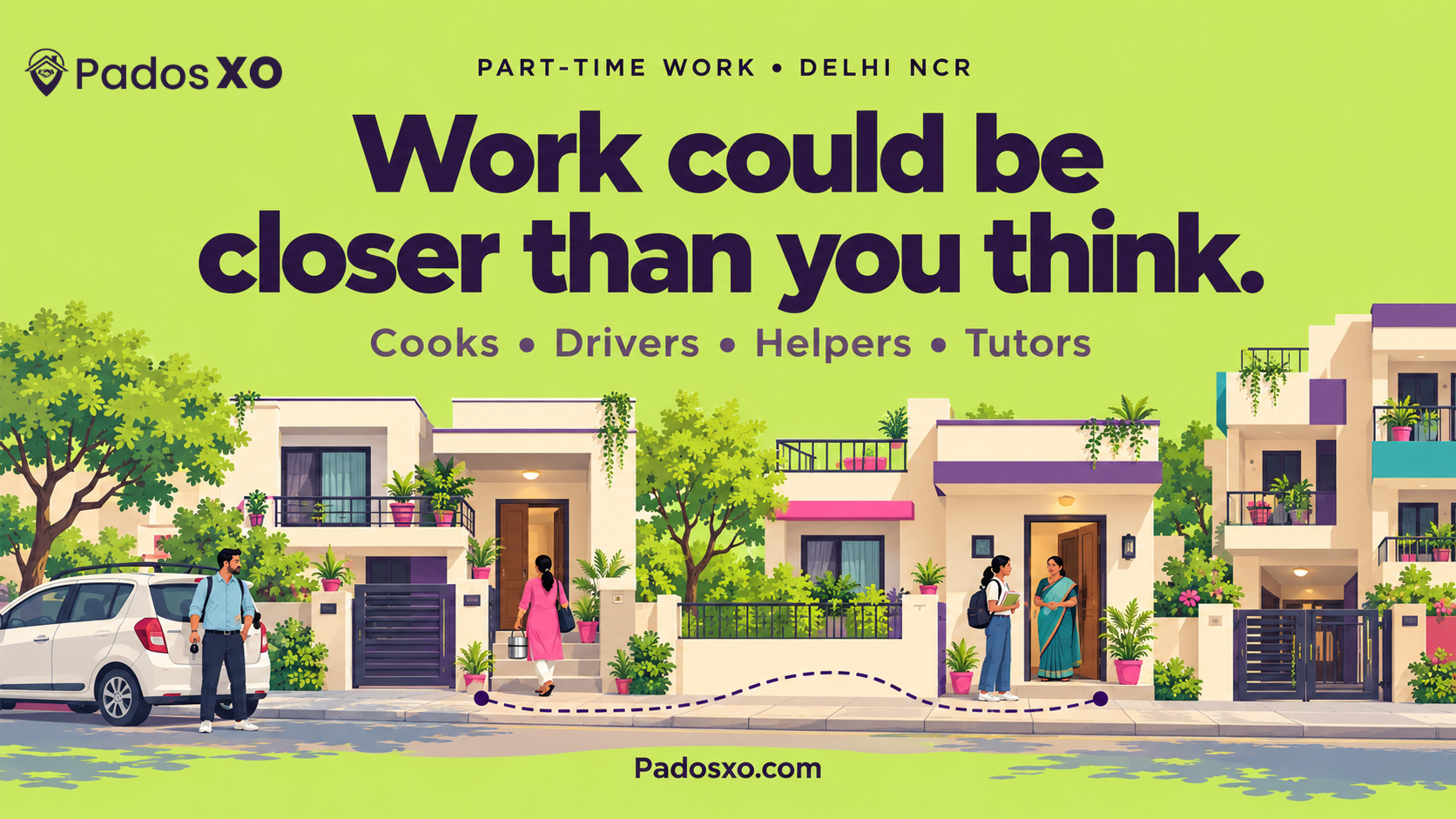
Part-Time Work Near You in Delhi NCR: Where Cooks, Drivers, Helpers and Students Actually Find Local Jobs in 2026
If you're searching jobs near me as a cook, driver, helper or tutor, most of these roles in Delhi NCR are filled locally, household to household or through word of mouth, rather than through large job portals built for full-time formal employment. The fastest way to find this kind of work near you is checking Requirement posts in your own pincode, where households are actively looking to hire for exactly these roles.
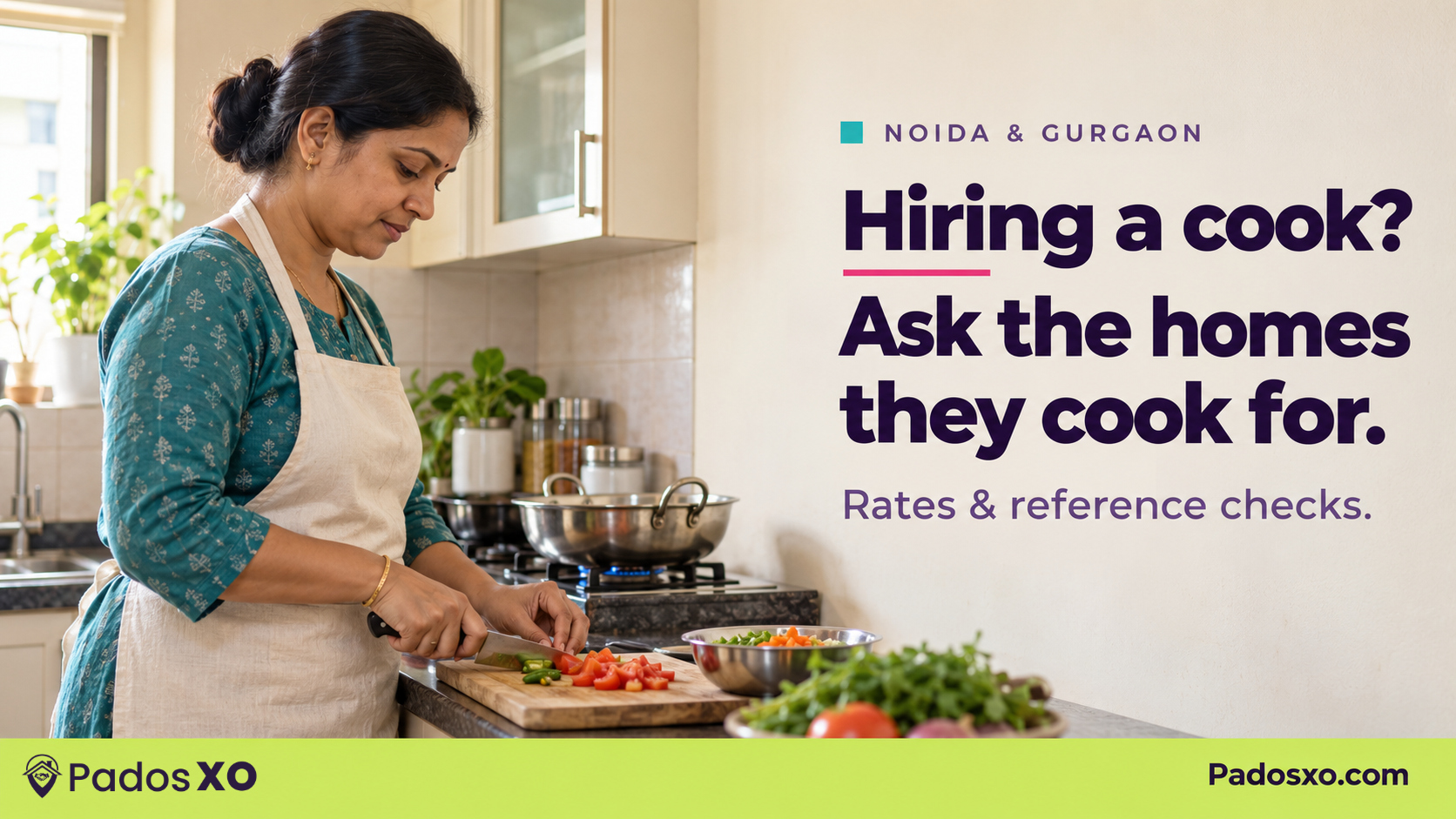
Hiring a Full-Time or Part-Time Cook in Noida: 2026 Rates and the Reference Check Nobody Actually Does
Searching for a cook near me in Noida or Gurgaon? A part-time cook (one meal, 6 days a week) typically costs ₹4,000-8,000 a month depending on menu complexity and number of people fed; a full-time live-out cook covering two meals daily typically runs ₹8,000-15,000+. A cook agency charges a placement fee on top and doesn't guarantee ongoing accountability once placed — the reference check that actually matters is a neighbour who's employed the same person, not a certificate the agency provides.
Electrician, Plumber, Carpenter Rates in Delhi NCR 2026: What You Should Pay, and How to Skip the Platform Commission
Searching 'electrician near me' in Delhi NCR in 2026? Expect roughly ₹500-1,300 for a switchboard replacement, ₹650-1,560 per new wiring point, ₹260-650 for fan installation, and proportionally similar ranges for plumbing and carpentry labour — Gurgaon typically runs about 30% above the pan-India base due to local labour costs. These are labour-only rates; materials are billed separately. Booking-platform prices for the same jobs are usually higher, because a commission and lead-fee margin is built into the quote before the tradesperson ever sees it.

How to Write a Society Notice or Neighbourhood Update People Actually Read (With Formats)
The right society notice format has a clear subject line stating the decision or action needed (not just 'Important Notice'), states the what/when/why in the first two lines before any background, and ends with a specific action if one's required. Notice boards are missed by anyone who doesn't walk past the lobby that day; WhatsApp groups bury it within hours under unrelated messages — a broadcast News post avoids both problems.

Where to Get Actual Noida and Gurgaon News in 2026: 9 Sources Ranked by How Local They Really Are
'Noida news' and 'Gurgaon news' searches mostly return city-wide or district-level coverage — traffic advisories, crime headlines, municipal announcements — from sources like local newspaper city editions, NBT/Hindustan regional pages, and civic-body press releases. None of these reliably cover sector-level news: a specific society's dispute, a local market change, a hyperlocal safety pattern. That granularity gap is exactly what a pincode-anchored News feed is built to close.

Buying Second-Hand Furniture, AC or a Bike in Delhi NCR: How to Not Get Burned
Searching for second hand furniture near me, an AC or a bike? Always inspect it in person before paying — photos hide water damage, compressor noise and frame cracks. For appliances, ask to see it running for a few minutes; for furniture, check joints and undersides for damage or pests; for bikes, verify the registration certificate matches the seller. Buying from a verified neighbour rather than an anonymous citywide listing removes most of the risk, because there's real accountability if something turns out misrepresented.

Selling an Old AC, Fridge or Mobile in Delhi NCR: Real 2026 Resale Prices and Where You Lose Money
If you're planning to sell an old mobile, AC or fridge, here's what to expect in 2026: a working secondhand AC in decent condition typically resells for ₹6,000-14,000 depending on tonnage and age, a working double-door fridge for ₹4,000-9,000, and an old smartphone anywhere from ₹2,000-25,000+ depending on model and condition. The two most common ways sellers lose money are trading in through a retailer's exchange offer (which is priced to benefit the retailer, not you) and not disclosing minor faults upfront, which kills trust mid-negotiation with a genuinely interested buyer.

Kabadiwala Rates in Delhi NCR 2026: What Your Scrap Is Actually Worth (and What to Sell a Neighbour Instead)
Searching for a kabadiwala near me usually means one of two things: you want a fair scrap rate, or you want to know if it's worth more sold another way. As of 2026, typical Delhi NCR kabadiwala rates run roughly ₹10-12/kg for newspaper, ₹7-9/kg for mixed plastic, ₹23-27/kg for iron, ₹500-600/kg for copper, and ₹500-1,000 per piece for e-waste. Old appliances are usually priced per unit rather than per kg — a working 1-ton AC might fetch ₹2,500-3,500. Rates vary daily and by dealer, and a working appliance is usually worth more sold directly to a neighbour than as scrap.

Why Your Housing Society WhatsApp Group Is Chaos (And What Actually Fixes It)
Society WhatsApp groups turn chaotic because WhatsApp was built for close friends and family chatting, not for hundreds of loosely connected residents broadcasting notices, complaints, forwards and debates in one unstructured, unmoderated thread. Muting it doesn't fix the underlying mismatch — it just hides the noise while still missing genuinely important notices buried in it. The real fix is separating what a WhatsApp group is actually good at (quick, informal chat) from what a society genuinely needs (organised notices, searchable local recommendations, and a way to actually reach specific neighbours) — and using different tools for each.

Nobody Makes Friends in a New City by Trying: What Actually Worked for 6 People Who Moved to Gurgaon
Searching how to make friends in a new city rarely turns up an actual answer, because deliberately 'trying to make friends' doesn't work — it's abstract, with no natural next step. What actually works, based on six people's experience of moving to Gurgaon alone, is doing one small, specific, repeatable thing that puts you in the same place as the same people more than once: a standing walk, a regular coffee order, a post about something ordinary that a neighbour happens to reply to.

What to Actually Post in a Neighbourhood App: 15 Things Your Neighbours Genuinely Want to Know
The Post type on a neighbourhood app is for anything that doesn't need its own category — an update, a photo, a question that isn't urgent enough to be an Alert or specific enough to be a Requirement. The posts that actually get engagement are specific and local: a photo of something changing in the neighbourhood, an honest update, a small win, or something genuinely useful you noticed — not generic small talk.

Running Groups, Book Clubs and Sunday Football in Delhi NCR: How to Find One in Your Pincode — or Start It
A running group near me, a book club near me, or a weekend flea market — these mostly exist because one person started them, not because a platform matched people algorithmically. If a search for any of these in your specific sector comes up empty, the fastest path to one existing isn't waiting for someone else to start it; it's posting an Event yourself and letting the first few responses become the group.

How to Organise a Society Event in Delhi NCR: Permissions, Real Costs, and the 12 Things That Go Wrong
If you're searching for a community hall near me because your society doesn't have one, most Delhi NCR societies still need three approvals to organise an event in whatever common space they do have: sign-off from the managing committee (or RWA), a noise/timing check if there's amplified sound, and a fire-safety understanding for a clubhouse or covered area with more than a handful of people. Budget realistically for décor, catering, sound and cleanup — first-time organisers most often underestimate cleanup and overestimate how many people will actually pre-commit to attending.

Things to Do in Delhi NCR This Weekend: How to Find What's Actually Happening Near You (Not Just in CP)
Most 'things to do in Delhi' lists default to Connaught Place, Hauz Khas Village, Cyber Hub and a handful of repeat venues, because that's what has PR budgets and event-listing partnerships. What they miss almost entirely is the sector-level and society-level stuff — a flea market in your own market, a book club two blocks away, a community screening in your park — which is exactly the layer a pincode-based neighbourhood feed surfaces that a city-wide events site doesn't.
PadosXO vs Nextdoor India: Which One Actually Works Here
Nextdoor is not available in India, so a direct feature-by-feature comparison isn't really possible — what you can compare is what each is built for. Nextdoor was designed around US suburban addressing and neighbourhood boundaries; PadosXO was built from scratch for Indian address density, high-rise living and pincode-first geography. If you're searching “PadosXO vs Nextdoor,” the more useful question is what an India-first alternative needs to get right that a translated US product likely couldn't.
PadosXO vs MyGate: What's Actually Different (And Why It Matters)
MyGate is a society (RWA) management app — gate passes, visitor logging, maintenance billing and complaints for one specific gated complex, adopted by your management committee. PadosXO is a neighbourhood app — it connects verified residents across your whole pincode, joined individually, for the social and community side of local life that a gate-and-billing app was never built to cover. They solve different problems and, for most residents, work well side by side rather than as substitutes for each other.
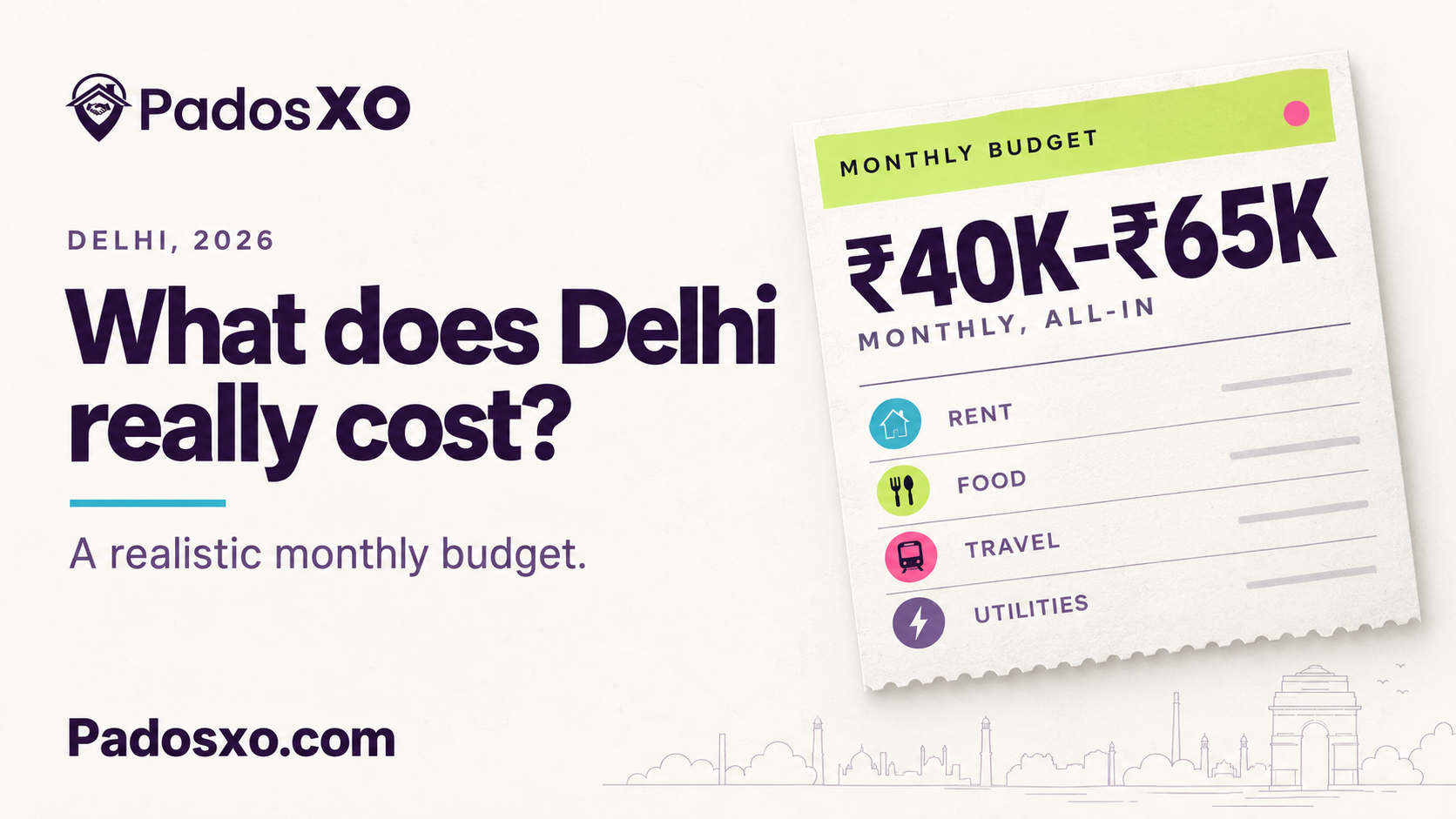
Cost of Living in Delhi in 2026: A Realistic Monthly Budget
A realistic all-in monthly cost of living in Delhi for a single working professional in a mid-range area runs roughly ₹40,000–₹65,000, covering rent, utilities, groceries, transport and basic help — with South and Central Delhi at the top of that range and East and Outer Delhi meaningfully below it. Shared accommodation and a longer commute can bring the number down considerably.
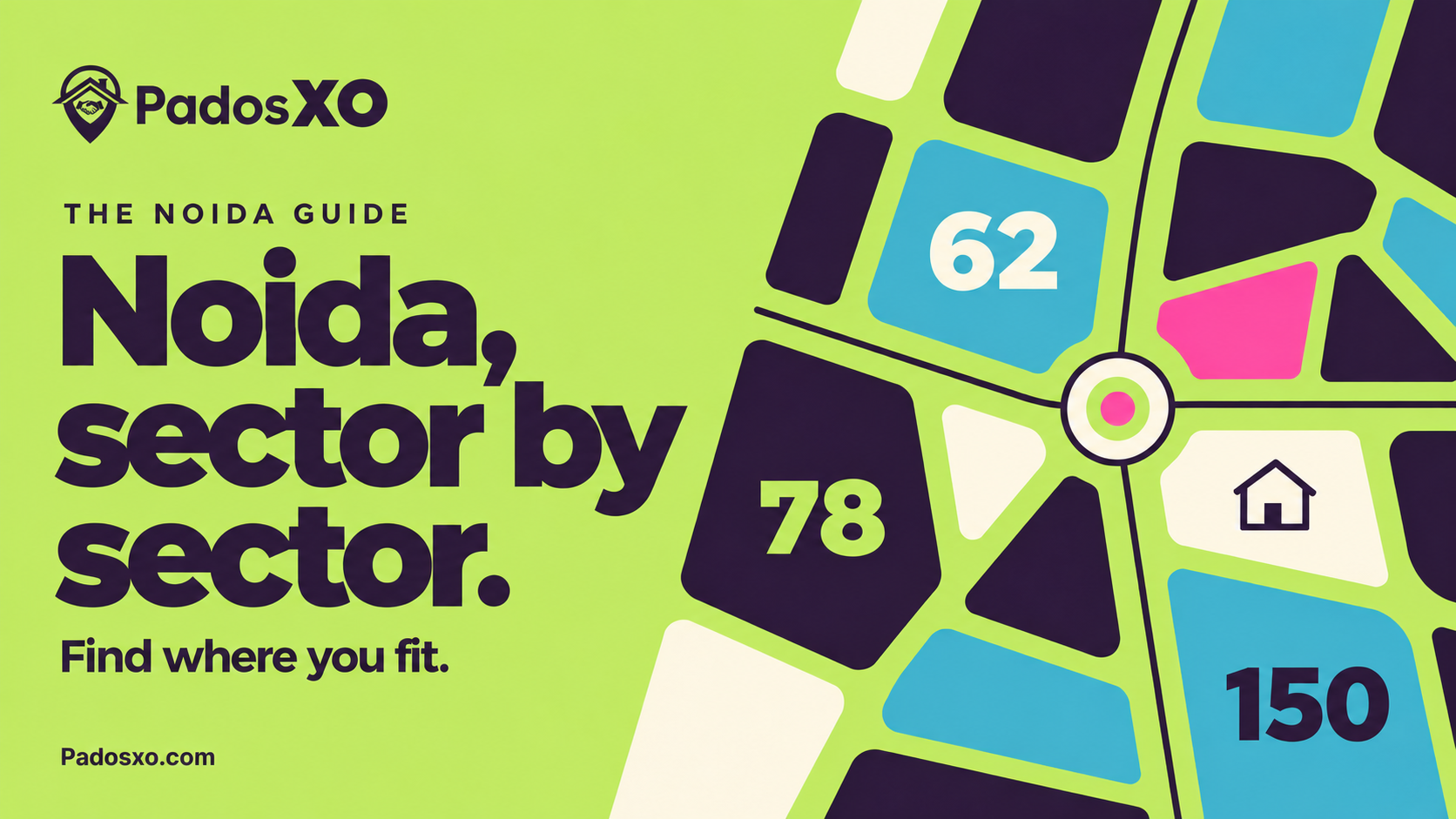
Every Sector in Noida, Mapped: The Locality-by-Locality Guide
Noida is organised into numbered sectors rather than named colonies, spanning roughly Sector 1 through Sector 168 plus the Greater Noida West (Noida Extension) belt. Broadly, sectors closer to the Delhi border and along the Noida-Greater Noida Expressway suit IT and corporate professionals; sectors like 50, 78 and 150 suit families; and the Greater Noida West sectors suit budget-conscious renters and buyers wanting more space per rupee.
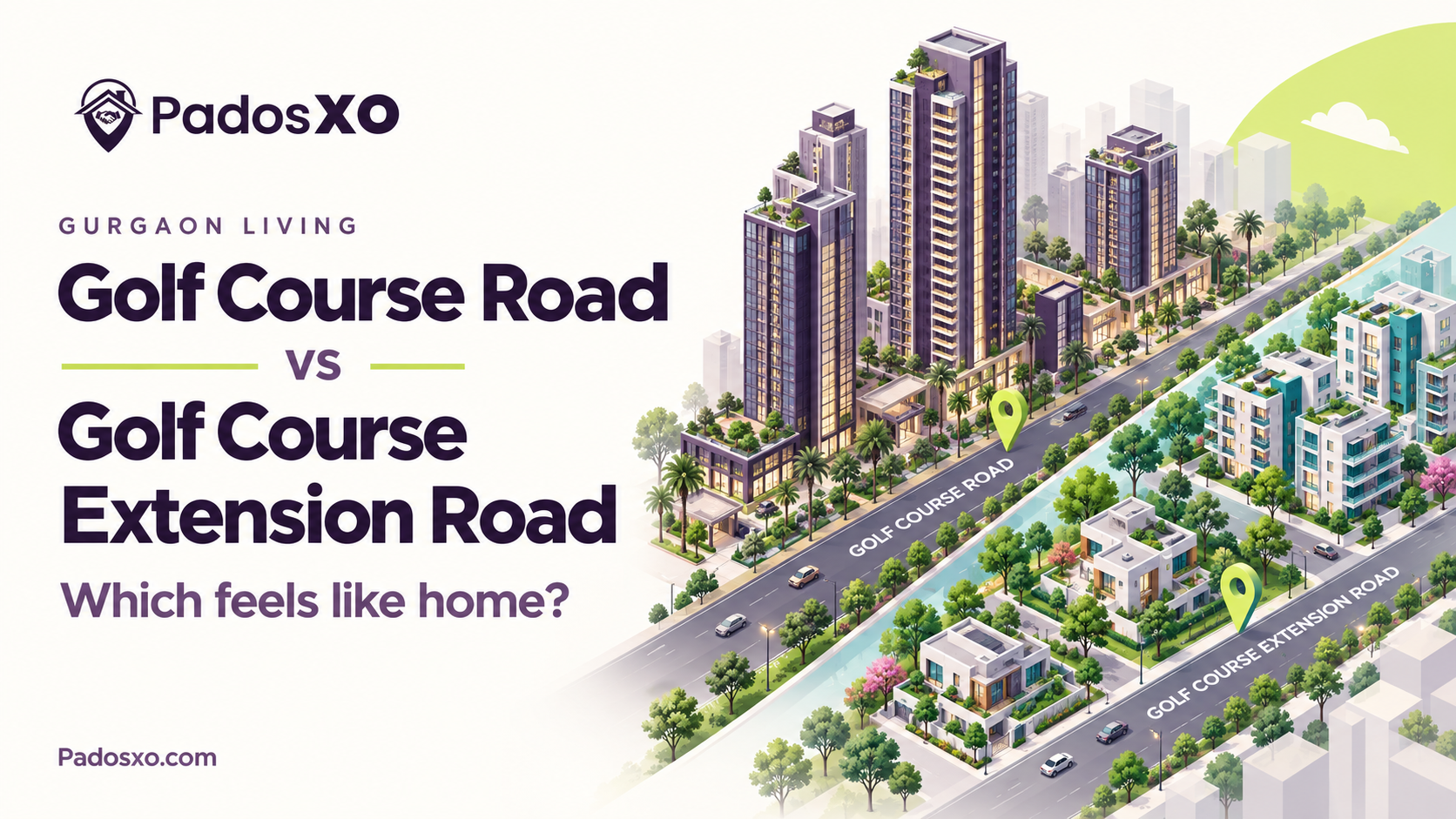
Golf Course Road vs Golf Course Extension Road, Gurgaon: Where Should You Actually Live
Golf Course Road is Gurgaon's original premium corridor — established, high-rise, closer to DLF Phase 5 and Cyber Hub, with rents to match. Golf Course Extension Road is the newer, larger corridor further out, offering more housing variety and lower rents at the cost of a longer commute into the core. Pick Golf Course Road for proximity and prestige; pick the Extension Road for space and value. For anyone specifically comparing Golf Course Road Gurgaon options against the Extension Road, that trade-off is the whole decision in one line.
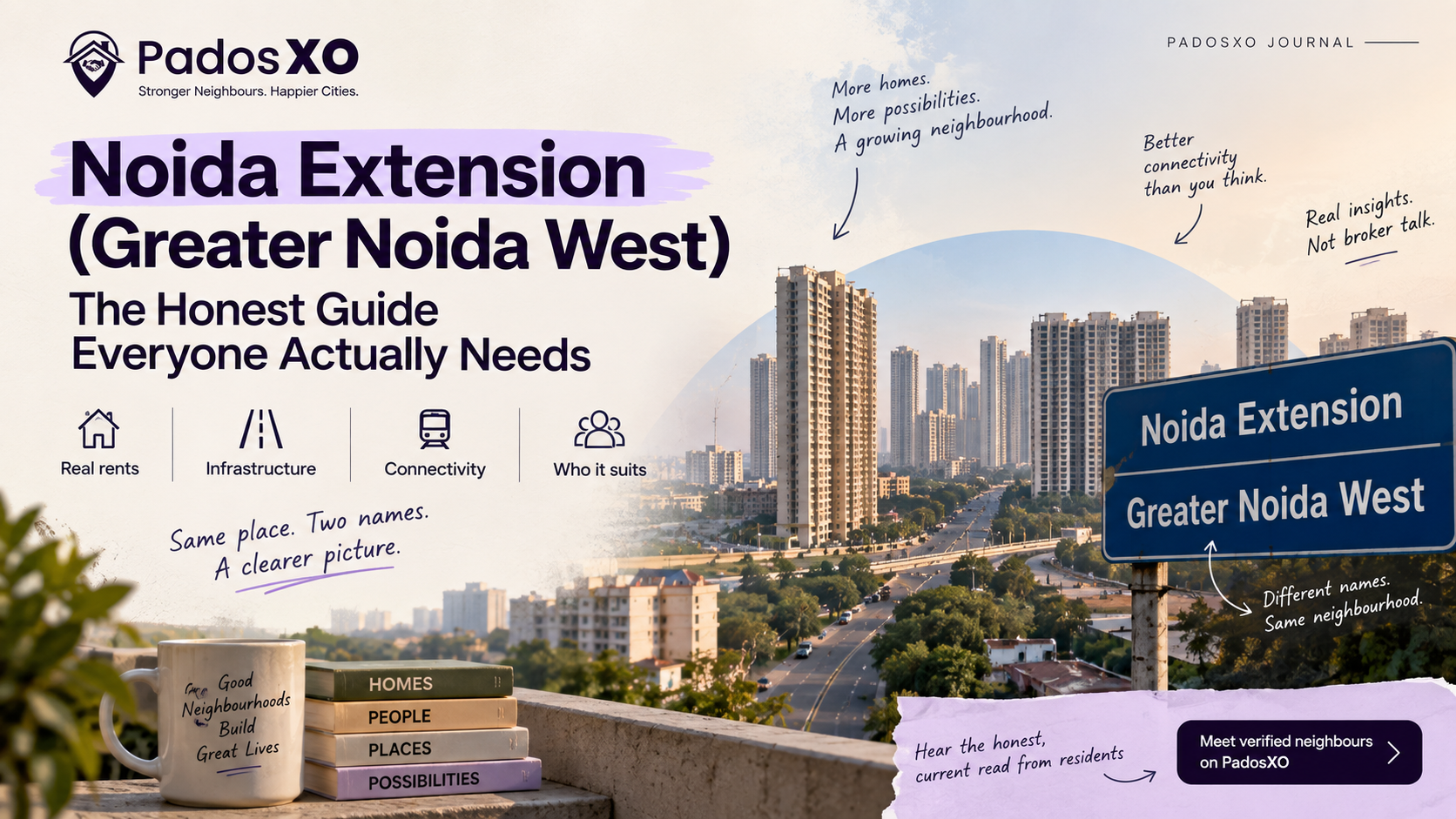
Noida Extension (Greater Noida West): The Honest Guide Everyone Actually Needs
Noida Extension and Greater Noida West are two names for the same belt of sectors — Greater Noida West is the more formal, current name, while Noida Extension is what most people still search and say out loud. It's the budget-first entry point into the Noida belt, offering the lowest cost per square foot in the region, with infrastructure that has matured significantly but still trails established central Noida sectors in a few specific ways worth knowing before you commit.
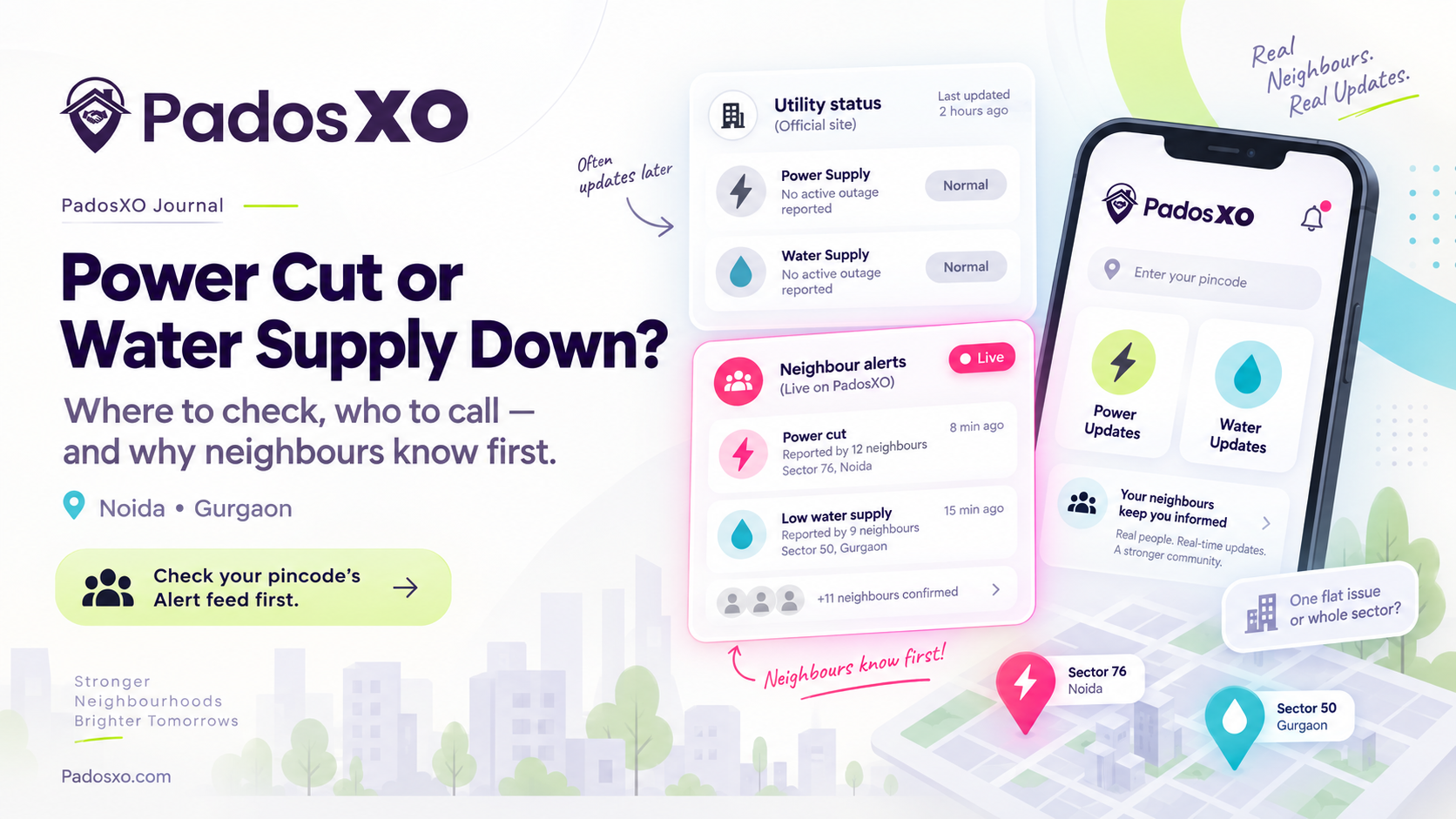
Power Cut or Water Supply Down in Your Sector? Where to Check, Who to Call, and Why Neighbours Know First
Searching a power cut in Noida today usually means checking PVVNL (Paschimanchal Vidyut Vitran Nigam) for power and Noida Authority's Jal Sansthan for water; in Gurgaon, power runs through DHBVN and water through GMDA/HSVP depending on sector. All three publish outage information with a lag — usually the fastest confirmation that it's a sector-wide issue and not just your flat's wiring or your tank's motor is a neighbour posting about it in the same few minutes.
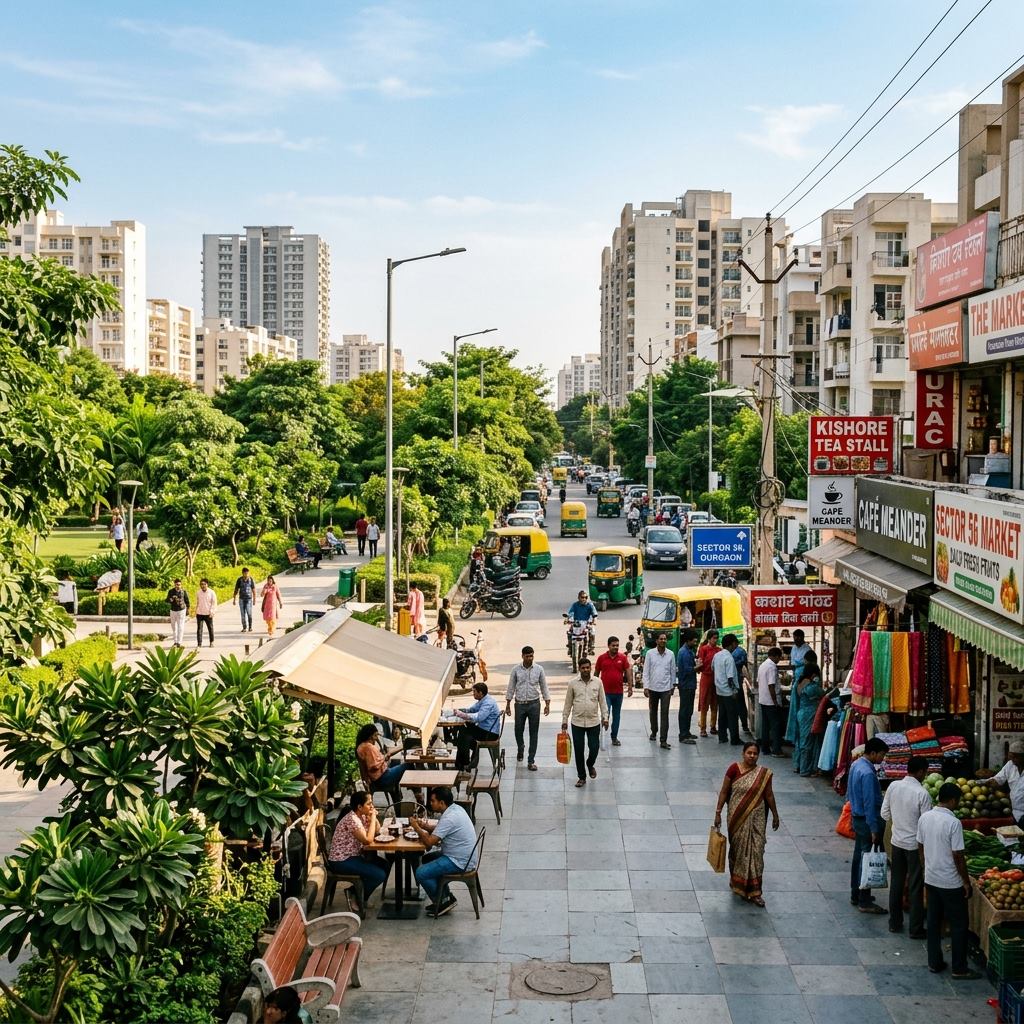
Sector 137 vs Sector 150, Noida: An Honest Comparison for 2026
Sector 137 and Sector 150 are Noida's two most-compared residential sectors. Sector 137 sits directly on the Noida-Greater Noida Expressway with its own Aqua Line metro station and a young, professional, apartment-heavy population. Sector 150 sits around a large green belt and sports facilities, with lower density and a more family-oriented, spread-out feel, at the cost of a longer commute to the Expressway corridor. Neither is objectively better — they suit genuinely different priorities.
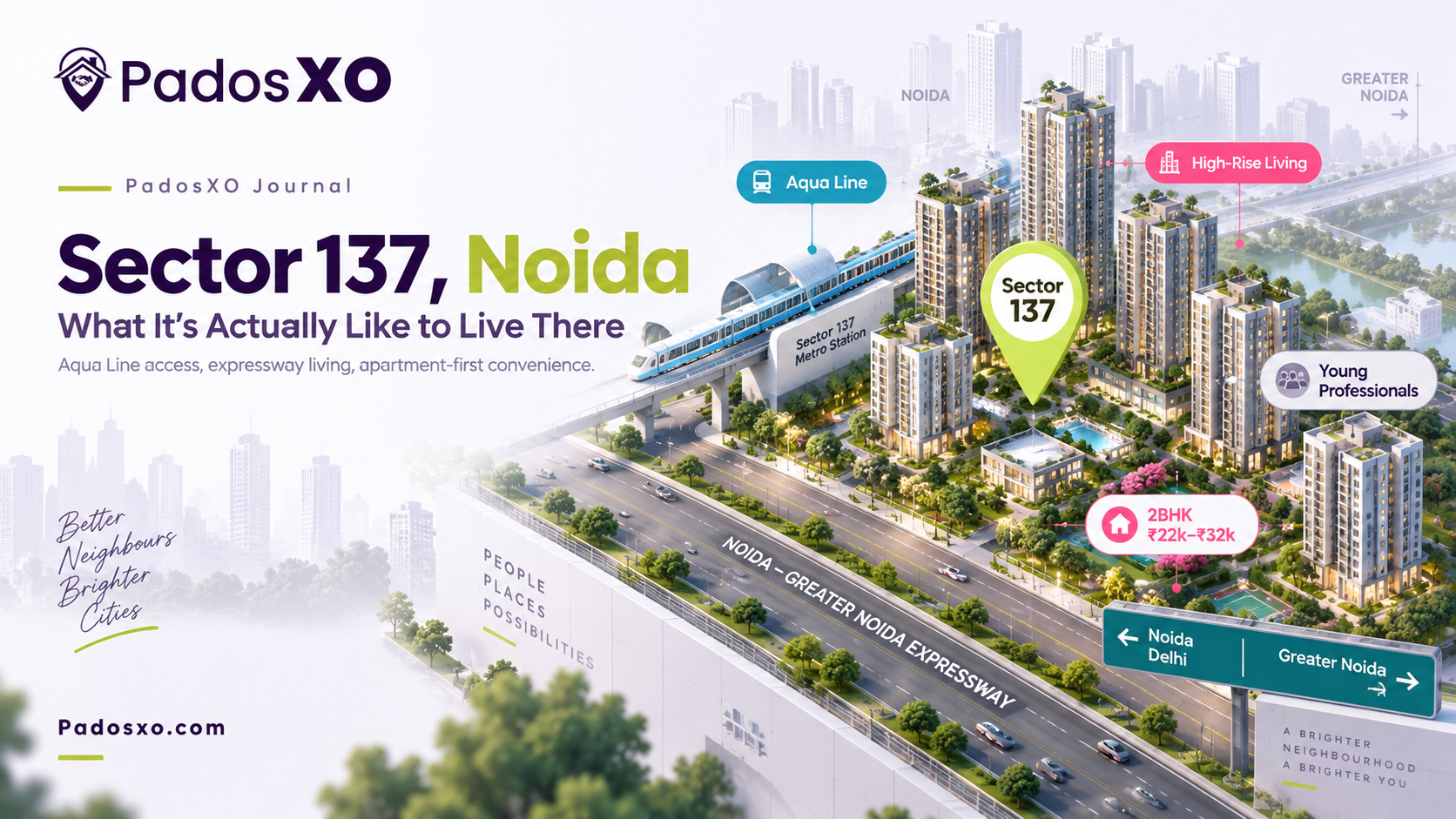
Sector 137, Noida: What It's Actually Like to Live There in 2026
Sector 137 is one of Noida's most in-demand residential sectors, sitting directly on the Noida-Greater Noida Expressway with its own Aqua Line metro station. It's dominated by mid- and high-rise apartment complexes, draws a young, IT- and startup-heavy resident base, and is best suited to professionals who want a short commute to Noida's tech corridor over a quieter, more spread-out family setting.
Straight from the neighbourhood.
“4 WhatsApp groups, zero answers. I wrote about what changed in our first month on PadosXO. The Journal published it.”

“Documented every service provider our colony verified in six weeks. It became our building's little directory.”

“Our garage sale had 22 households join. The Journal published the story. My neighbours still bring it up.”

Written for people who live here, not for search engines.
The Neighbourhood Journal covers the practical and the peculiar in equal measure: what maintenance charges can legally be levied, how a managing committee vacancy actually gets filled, what police verification for domestic help involves in Delhi NCR - and why WhatsApp groups always decay, what a mohalla did that a condominium doesn't, how a city of eight million manages to be lonely.
Every story comes from the communities on PadosXO, India's pincode-first neighbourhood app. Follow the Journal on Medium, or download the app to live the stories instead of just reading them.
Reading about neighbourhoods is the second-best option.
The first is joining yours. Register your pincode and see what's happening within 10 km.
Free to download. No subscription. Delhi NCR live today.